This article is supported by WikiProject Mythology. This project provides a central approach to Mythology-related subjects on Wikipedia. Please participate by editing the article, and help us assess and improve articles to good and 1.0 standards, or visit the WikiProject page for more details.MythologyWikipedia:WikiProject MythologyTemplate:WikiProject MythologyMythology
This article is within the scope of WikiProject Religion, a project to improve Wikipedia's articles on Religion-related subjects. Please participate by editing the article, and help us assess and improve articles to good and 1.0 standards, or visit the wikiproject page for more details.ReligionWikipedia:WikiProject ReligionTemplate:WikiProject ReligionReligion
This article is within the scope of WikiProject Children's literature, a collaborative effort to improve the coverage of Children's literature on Wikipedia. If you would like to participate, please visit the project page, where you can join the discussion and see a list of open tasks.Children's literatureWikipedia:WikiProject Children's literatureTemplate:WikiProject Children's literaturechildren and young adult literature
This article is within the scope of WikiProject Middle Ages, a collaborative effort to improve the coverage of the Middle Ages on Wikipedia. If you would like to participate, please visit the project page, where you can join the discussion and see a list of open tasks.Middle AgesWikipedia:WikiProject Middle AgesTemplate:WikiProject Middle AgesMiddle Ages
This article is within the scope of WikiProject Christianity, a collaborative effort to improve the coverage of Christianity on Wikipedia. If you would like to participate, please visit the project page, where you can join the discussion and see a list of open tasks.ChristianityWikipedia:WikiProject ChristianityTemplate:WikiProject ChristianityChristianity
This article is within the scope of WikiProject China, a collaborative effort to improve the coverage of China related articles on Wikipedia. If you would like to participate, please visit the project page, where you can join the discussion and see a list of open tasks.ChinaWikipedia:WikiProject ChinaTemplate:WikiProject ChinaChina-related
This article is within the scope of WikiProject Classical Greece and Rome, a group of contributors interested in Wikipedia's articles on classics. If you would like to join the WikiProject or learn how to contribute, please see our project page. If you need assistance from a classicist, please see our talk page.Classical Greece and RomeWikipedia:WikiProject Classical Greece and RomeTemplate:WikiProject Classical Greece and RomeClassical Greece and Rome
This article is within the scope of WikiProject Norse history and culture, a WikiProject related to all activities of the NorthGermanic peoples, both in Scandinavia and abroad, prior to the formation of the Kalmar Union in 1397. If you would like to participate, you can edit the article attached to this page, or visit the project page, where you can join the project and/or contribute to the discussion.Norse history and cultureWikipedia:WikiProject Norse history and cultureTemplate:WikiProject Norse history and cultureNorse history and culture
This article is within the scope of WikiProject History, a collaborative effort to improve the coverage of the subject of History on Wikipedia. If you would like to participate, please visit the project page, where you can join the discussion and see a list of open tasks.HistoryWikipedia:WikiProject HistoryTemplate:WikiProject Historyhistory
This article is within the scope of WikiProject Ancient Near East, a collaborative effort to improve the coverage of ancient Near East–related articles on Wikipedia. If you would like to participate, please visit the project page, where you can join the discussion and see a list of open tasks.Ancient Near EastWikipedia:WikiProject Ancient Near EastTemplate:WikiProject Ancient Near EastAncient Near East
This article is within the scope of WikiProject Bible, a collaborative effort to improve the coverage of the Bible on Wikipedia. If you would like to participate, please visit the project page, where you can join the discussion and see a list of open tasks.BibleWikipedia:WikiProject BibleTemplate:WikiProject BibleBible
This article falls within the scope of WikiProject Folklore, a WikiProject dedicated to improving Wikipedia's coverage of the topics of folklore and folklore studies. If you would like to participate, you may edit the article attached to this page, or visit the project's page, where you can join the project and/or contribute to discussion.FolkloreWikipedia:WikiProject FolkloreTemplate:WikiProject FolkloreFolklore
This article is within the scope of WikiProject Judaism, a collaborative effort to improve the coverage of Judaism-related articles on Wikipedia. If you would like to participate, please visit the project page, where you can join the discussion and see a list of open tasks.JudaismWikipedia:WikiProject JudaismTemplate:WikiProject JudaismJudaism
This article is within the scope of WikiProject Greece, a collaborative effort to improve the coverage of Greece on Wikipedia. If you would like to participate, please visit the project page, where you can join the discussion and see a list of open tasks.GreeceWikipedia:WikiProject GreeceTemplate:WikiProject GreeceGreece
This article is within the scope of WikiProject Japan, a collaborative effort to improve the coverage of Japan-related articles on Wikipedia. If you would like to participate, please visit the project page, where you can join the project, participate in relevant discussions, and see lists of open tasks.JapanWikipedia:WikiProject JapanTemplate:WikiProject JapanJapan-related
This article is part of WikiProject Vietnam, an attempt to create a comprehensive, neutral, and accurate representation of Vietnam on Wikipedia. If you would like to participate, please visit the project page.VietnamWikipedia:WikiProject VietnamTemplate:WikiProject VietnamVietnam
This article is within the scope of WikiProject Korea, a collaborative effort to build and improve articles related to Korea. All interested editors are invited to join the project and contribute to the discussion. For instructions on how use this banner, please refer to the documentation.KoreaWikipedia:WikiProject KoreaTemplate:WikiProject KoreaKorea-related
Dragon is within the scope of the Heraldry and vexillology WikiProject, a collaborative effort to improve Wikipedia's coverage of heraldry and vexillology. If you would like to participate, you can visit the project page, where you can join the project and see a list of open tasks.Heraldry and vexillologyWikipedia:WikiProject Heraldry and vexillologyTemplate:WikiProject Heraldry and vexillologyheraldry and vexillology
Noticed that the image caption says Several bones purported to belong to the Wawel Dragon hang outside Wawel Cathedral, but actually belong to a Pleistocene mammal. but what is the actual species of Pleistocene mammal the bones are from as its not mentioned in either here or in the article for the cathedral 71.173.78.38 (talk) 15:58, 13 September 2024 (UTC)[reply]
I continue to believe that although drake is technically synonymous, it's not common enough to use in bold at the beginning of the article. I could be convinced to leave it either way, but I do want to seek consensus here regardless. Drake may be common enough in video games and DnD, but it is far from a common way to refer to a dragon. In fact, I suspect the reason for its use in those contexts may be that it is archaic. Additionally, I have never heard or seen it used to refer to Asian dragons, but info about them comprises a large part of this article.--MattMauler (talk) 21:58, 19 October 2024 (UTC)[reply]
I agree that it is a rare and archaic usage, and probably does not need to be mentioned in the article. There are a number of other archaic words for dragon, like "worm" and "wyrm", but we don't need to mention every synonym; this is an encyclopedia, not a thesaurus. If it is included, it should probably go in the etymology section, certainly not in the lead sentence. CodeTalker (talk) 22:17, 19 October 2024 (UTC)[reply]
"Not as common as dragon" is quite an understatement. Google's ngram viewer shows that "dragon" is used almost 100 times as often as "drake", and almost all instances of "drake" are referring to a proper name, like Sir Francis Drake, or a male duck. I doubt if "drake" in reference to the animal is used even 1/1000 as often as "dragon". Probably "wyrm" is used equally often. This article is primarily about the mythological animal, not about fantasy literature. I question whether terminology used in fantasy media, which has a brief mention in the last section of this article, should be grounds for inclusion of this rare term in the lead. (Also, while I don't doubt that it is true that the term is used in fantasy media, I assume you know that fandom is not a reliable source.) CodeTalker (talk) 22:53, 19 October 2024 (UTC)[reply]
Extended-confirmed-protected edit request on 1 November 2025
Not done: No reason was provided for the proposed change. As this is the English Wikipedia, it makes sense to list the English name first and the Welsh name in parentheses. Day Creature (talk) 22:19, 1 November 2025 (UTC)[reply]
@Tpolehinke1994 dragons, in virtually every culture, are magical. Asian dragons are known for their control of weather and water. European dragons are known for their shapeshifting, cursing and ability to grow treasures, not to mention fire breathing, which initially is an evolution from atter breathing, but is virtually never explained and essentially treated as a supernatural element. Mesoamerican Feathered Serpents are flippin gods, North American Horned Serpents are demons and the South American Amaru can travel between worlds. ᛒᛚᚮᚴᚴᚼᛆᛁ ᛭ 𝔅𝔩𝔬𝔠𝔨𝔥𝔞𝔧08:53, 18 January 2026 (UTC)[reply]
@Tpolehinke1994 the external links were scary so i removed them. To the subject, ur issue here seems to stem from a specific idea of the word "magical". Magical doesnt soly relate to humanoid magicians, wizards and witches etc. Magical simply mean that they have magical powers. Historical dragons, in essentially every case i know of, has magic abilities, thus by proxy they are magical.
The external links weren't scary, please restore them back. The links were of various pictures, so please restore them back. I'm not gonna continue this conversation if you're gonna manipulate things to fit your narrative. And I'm not gonna keep going through this man, dragons aren't magical like wizards are, even if you think they are. Tpolehinke1994 (talk) 04:41, 19 January 2026 (UTC)[reply]
External links can carry viruses, we generally avoid posting such without clarity. Claiming i removed them to fit some narrative is very rude and not very objective. Even then, looking at the images, they have nothing to do with the topic:
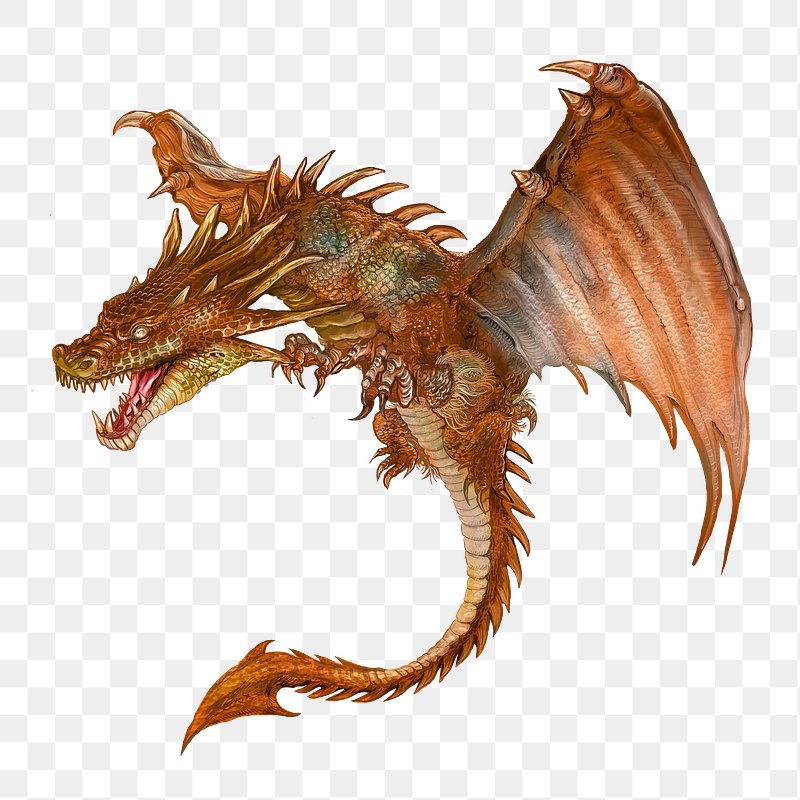
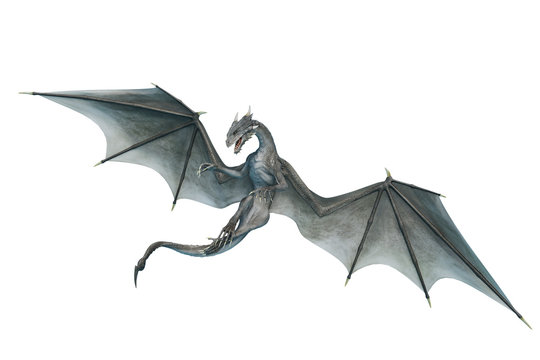
image1 This is just a random image of a European fantasy dragon?
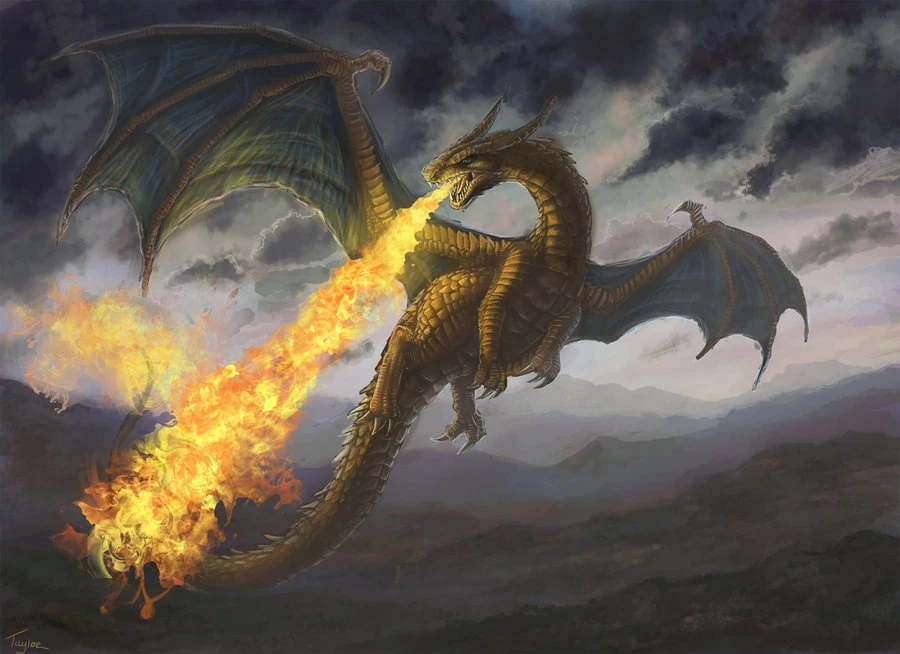
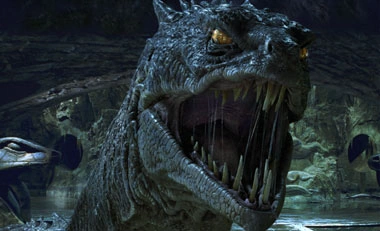
image2 And this is also a random image of a European fantasy dragon?
Number one, the links didn't have viruses, and if you think they did, please prove that...
Number two, You say I'm claiming, as you put it, but what else were you doing if you weren't fitting a narrative as much as you claim, removing links from comments that weren't even yours, THAT was rude and not very objective. You removed links that were relevant with the topic, as we're talking about dragons, and the links were of pictures of various dragons. It wasn't ok for you to remove them, so please don't do it again.
The image1, is a picture of a dragon, dude. It's not a picture of a tiger or bear.
The image2, aren't you supposed to get an image of a dragon here?
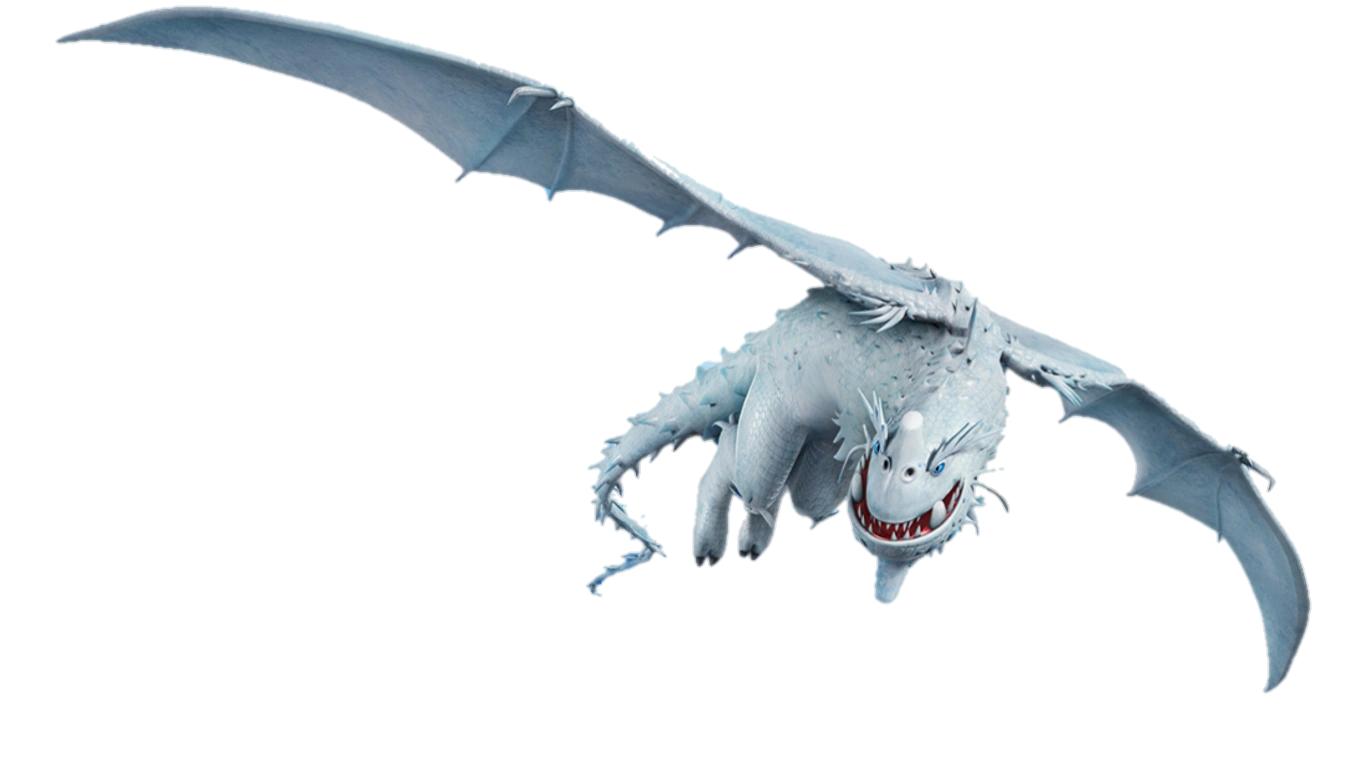
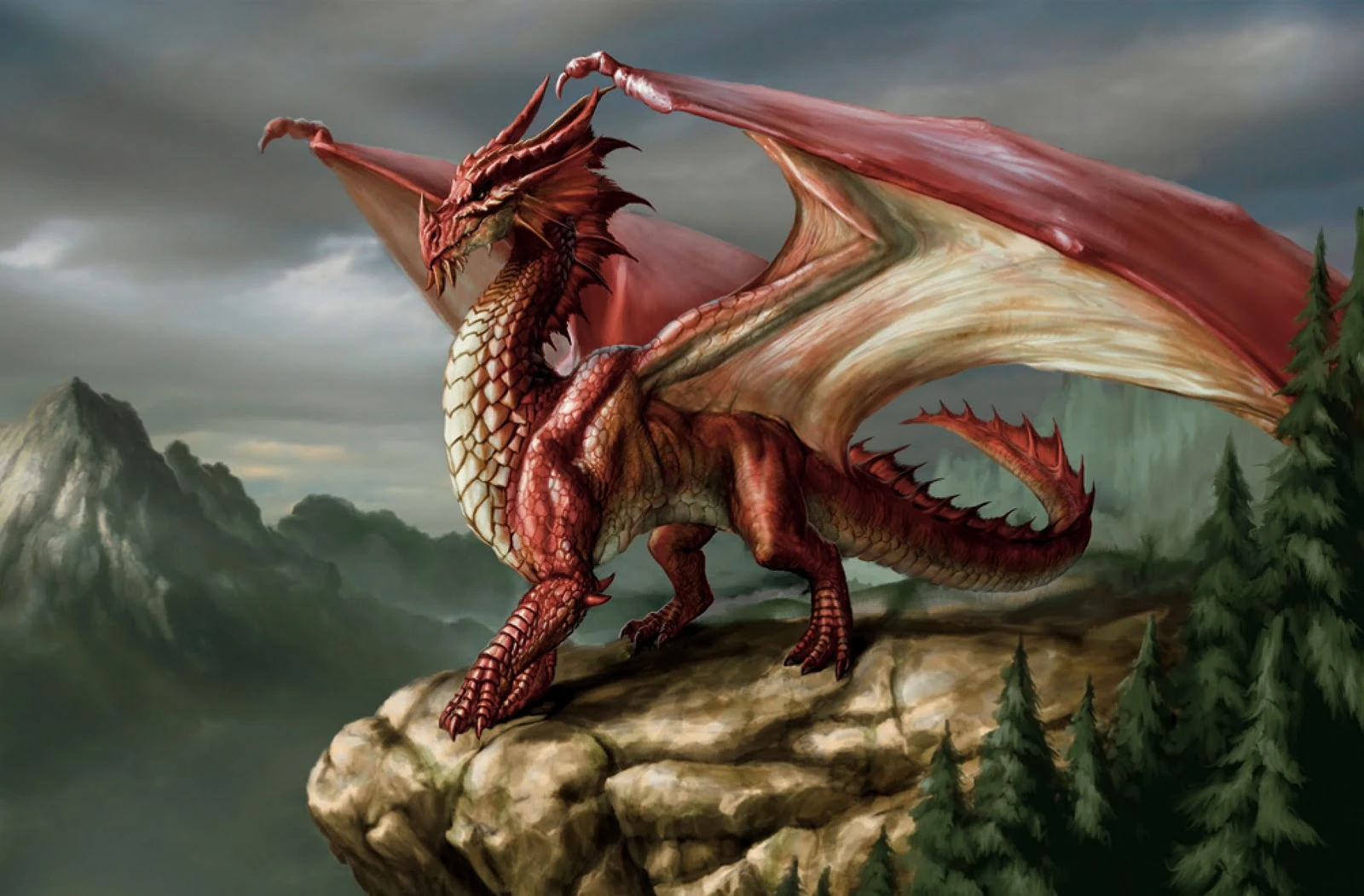
The image3, yes, it is from How to train your dragon. It's a dragon called a Snow Wraith.
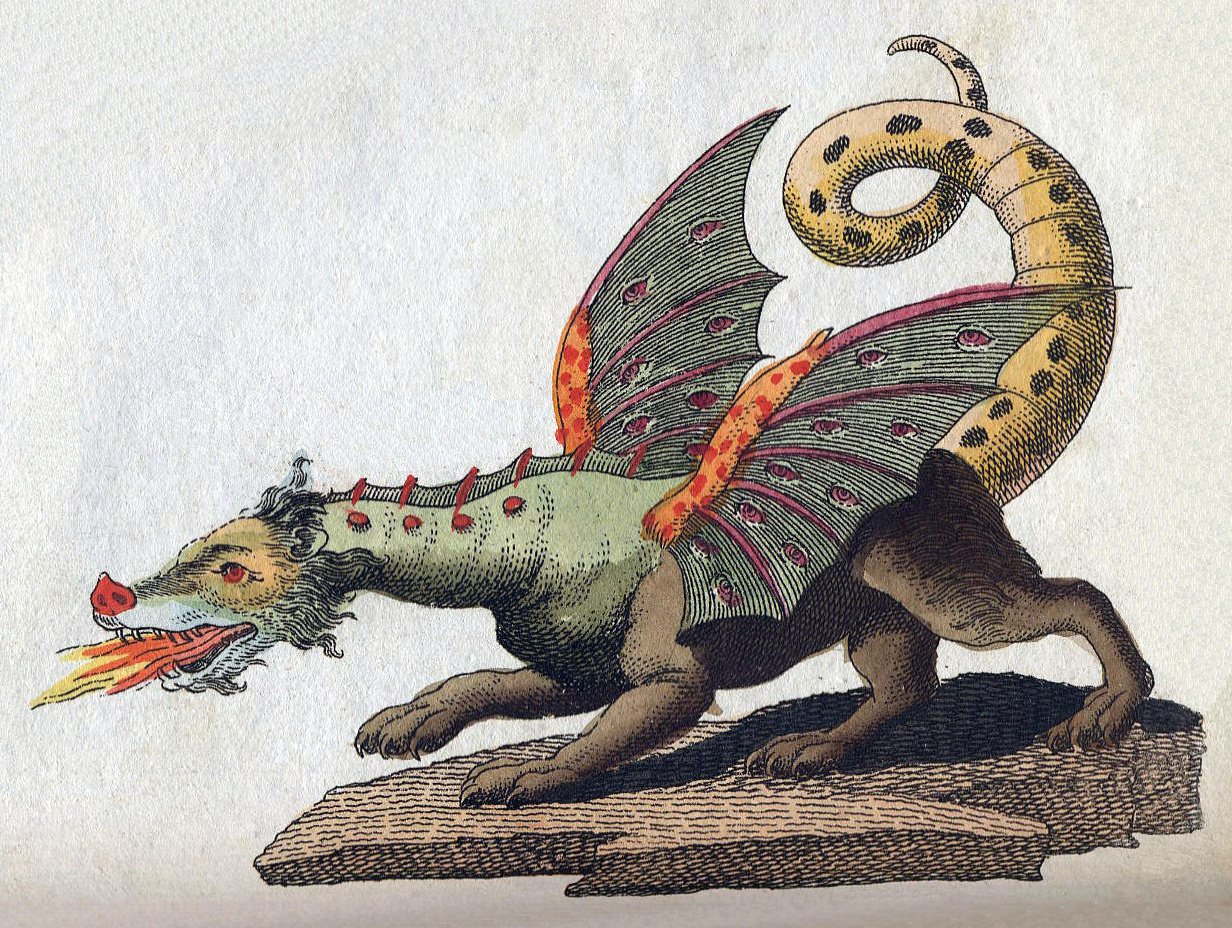
The image4, this is a picture of a a Chinese dragon, or Azure dragon, on the flag of the Qing Dynasty.
And what do you mean, am I aware of any dragons without supernatural powers? The word supernatural doesn't always mean magical.
I'm not gonna interact with you if you're gonna manipulate things to get your way, so stop thinking you can do what you want because you're behind a screen. Tpolehinke1994 (talk) 06:31, 19 January 2026 (UTC)[reply]
In what way are these images relevant to the topic of dragons being magic or not?
Dragons aren't magic, nor are they magical, as if they're casting magic, like a wizard from Harry Potter would. Instead, they breathe fire.
And the last three images are applicable, modern or not, since they're all images of dragons. A dragon is still a dragon, whether it's a medieval or modern one. Tpolehinke1994 (talk) 22:00, 19 January 2026 (UTC)[reply]
We cannot use modern images as sources for historical dragons, see WP:RS.
As for the magic u are referencing, Harry Potter is modern fiction. Its just Star Wars with sticks (honestly, "The Force" is way more akin to magic than most of Harry Potter's magic). Historical magic is largely invisible, and dragons are magic in esoteric ways. They dont cast spells, but have magic abilities and power elsewhere.
Asian dragon, known to control weather and water, and may even produce waterspouts. In the legend of the Longmen (mythology), Chinese dragons are carp that has been transformed into dragons.
Guivre, has the ability to control people, like a demon. Also showing elements related to shapeshifting.
Germanic dragons (TBA), are often capable of shapeshifting, often into humanoids, like gnomes, dwarfes, and thereof. It is unclear what came first, the dragon or the humanoid, as it differs between stories (for example: Sigurd vs King Lindworm) and in folklore its either. A good source i have at hand is (albeit in Swedish) Lokes mytiska ursprung ("Loki's mythical origins") by Hilding Celander (1911): https://www.kb.dk/e-mat/dod/130011113568-bw.pdf This is combined with the power to grow treasure, as "anything that lies beneath it grows at the rate of the serpent", thus it broods treasure to get richer, a motif found in Sigurd, Beowulf, Ragnars saga loðbrókar, and so much more. Other magic powers stems from its body etc. Eating the heart gives wisdom, and bathing in its blood gives unpenetrable skin, etc etc. The skin is powerful and can be used in various ways.
Lindworm, analog powers to other Germanic dragons.
Tatzelwurm, analog powers to other Germanic dragons. The Swedish analog arise when a greedy person, who has hidden his money, dies. The soul then turns into a terrible, but usually small, dragon and lies on top of the treasure to guard it.
White serpent [sv], has many obscure magic abilities, but in some folkore, like the case of Kloka Anna, the ability to make people wiser, be able to seer, or heal.
Azhdaha, analog to the Germanic dragon, anyone who eats the heart of an azhdaha would gain "courage and bravery", while azhdaha skins would heal "the wound of love", and their heads, if buried, would fertilise the earth.
"Whether an image of a dragon's modern or historical, it's still an image of a dragon."
Wether it depicts a dragon or not is not what is pointed out, its the fact its irrelevant to the discussion. We are not talking about modern dragon depictions, we are talking about historical folklore and mythology. For comparison, the 2010 Robin Hood movie might be a movie about Robin Hood, but that doesnt mean it can be used as historical reference for Robin Hood.
U are also talking about modern popculture in reference to historical folklore. Shapeshifting, controlling water, etc, is by definition magic (or whatever supernatural term u wish to use). Pick ur poison:
Cambridge dictionary: magic, the use of special powers to make things happen that would usually be impossible
Encyclopædia Britannica: magic, a concept used to describe a mode of rationality or way of thinking that looks to invisible forces to influence events, effect change in material conditions, or present the illusion of change. Within the Western tradition, this way of thinking is distinct from religious or scientific modes; however, such distinctions and even the definition of magic are subject to wide debate.
Merriam-Webster: magic, 1) the use of means (such as charms or spells) believed to have supernatural power over natural forces / 2) an extraordinary power or influence seemingly from a supernatural source
Svenska Akademiens ordbok: Magic, about (the practice of actions based on) the belief in man's ability to influence supernatural powers or to gain knowledge of the intentions of these powers. Sorcery, the ability or practice or activity of using supernatural and occult means (and with the help of the devil or other evil power) to intervene in the course of nature or to influence (especially: harm or destroy) humans or animals.
Nationalencyklopedin: Magic, actions that are believed to influence supernatural forces or powers to the practitioner's advantage. Sorcery, the ability to perform actions with supernatural effects.
You say its irrelevant. Its not irrelevant. Dragons in modern fiction are creatures just like dragons in historical folklore are.
Plus, Nowhere in the definitions you gave does it bring up the mention of dragons. And stop saying shapeshifting and controlling waters is magic, please.
I'll avoid the dispute over the descriptor "magical". I don't think the use of "chimeric" is ideal, though. If we mean "composed of parts of different animals", then this won't apply to dragons from some cultures: Greek mythological dragons, for example, are essentially large snakes. If we mean "fantastical" or "imaginary", then I'm not sure the word adds anything that isn't covered by "legendary" (and perhaps "magical"). – Michael Aurel (talk) 00:20, 19 January 2026 (UTC)[reply]
Chimeric is not ideal for sure. The issue it tries to tackle is trying to describe dragons without using a thousand words in the lead. If we oversimplify dragons to its core, there are two concepts:
The first is the evil serpent archetype, where even Satan in the Garden of Eden, as well as Apophis can be called a dragon from a story perspective. This is the root of the name in western culture, as dragons in virtually every Indo-European language is called "serpent" in some form: Greek drákōn > dragon, Germanic worm, drake, Slavic zmaj, Finnic käärme, etc.
The second is the "chimera", a monster made of several animals, which appears separately in most cultures, but appears to have mutually everywhere borrowed its elements upon the serpent through time, and wice versa, leading to the chimeric dragons we see in many cultures. The line here is unclear, depending on who u ask. The Egyptian Akhekh has been called a dragon due to it incorporating a serpent element as well as combining animals into the modern bodyplan for a dragon. The the beast in Revelation has often been depicted as a dragon or thereof. The Greek mythological chimera, however, as well as the griffin, are generally not called dragons, despite many historical depictions of dragons looking as mamalian.
Nowhere did i claim every dragon is Satan, although this is true to some extent in Medieval Europe. I claimed Satan, when in the shape of a serpent, is a dragon. ᛒᛚᚮᚴᚴᚼᛆᛁ ᛭ 𝔅𝔩𝔬𝔠𝔨𝔥𝔞𝔧05:20, 19 January 2026 (UTC)[reply]
Lots of people means more than i can practically list. For one, its Christianity, which always tend to demonize stuff for propaganda, but with dragons its more straightforward, mainly due to the infamous serpent in the Garden of Eden. The Book of Psalms and Book of Revelation calls em the dark spirit, etc etc. Lots of medieval sagas speak of holy people and angels who defeat dragons, like Graoully or Saint George and the Dragon.
As this discussion is currently a bit all over the place, I'll respond to both of you here. Generally, following definitions in reliable sources is the ideal course of action. This is a (very much non-comprehensive) selection of such definitions:
Eliade, Encyclopedia of Religion, Vol. 4, p. 432: By dragons we mean mythical creatures shaped like serpents or with serpent features, and often endowed with features or parts belonging to various animals [...]. Dragons are often presented as fierce, devouring monsters; according to many traditions, they spit fire; they may be chthonic, aquatic, or aerial beings.
Ogden, The Dragon in the West, "Introduction": In physical form dragons are broadly serpentine, but have animalian heads, thick central bodies, wings, and clawed legs [...]). In their stories they live in caves, lie on treasure, maraud, and burn; they are extraordinarily powerful, but even so ultimately worsted in their battles with humans.
Honegger, Introducing the Medieval Dragon, p. 10: Although the phenotype of the dragon would differ from culture to culture and from one age to the next, the conceptual core of the dragon as a powerful, awe-inspiring and potentially dangerous being seems a universal element found in almost all human cultures.
Brill's New Pauly, s.v. Dragon slayers: Dragons [...] are mythical beings combining the superhuman qualities of various animals. In mythology the world of humans was threatened by amphibious snakes [...], fish [...] or composite creatures. Only a hero could hold up against their power, gaze, odour and fiery breath, multiple heads and limbs.
OED, s.v. dragon: A mythical monster, represented as a huge and terrible reptile, usually combining ophidian and crocodilian structure, with strong claws, like a beast or bird of prey, and a scaly skin
Merriam-Webster, s.v. dragon: a mythical animal usually represented as a monstrous winged and scaly serpent or saurian with a crested head and enormous claws
Cambridge Dictionary, s.v. dragon: a large, frightening imaginary animal, often represented with wings, a long tail, and fire coming out of its mouth
The purposes of each of these works should be kept in mind: Ogden is focused on dragons in the Western tradition, Brill's New Pauly is primarily a reference work on Graeco-Roman antiquity, and so on. Phrases to the effect of "combining features from various animals" appear in several of the above definitions, though I'm not seeing any use of the specific descriptor "chimeric". I also don't see any explicit references to magical abilities. What some of the above sources do mention are that dragons are (or are often) mythical, serpentine, powerful, monstrous, frightening, and in possession of features such as wings and claws, among other descriptions (their inclusion of features from various animals also deserves mention here). These are (of course) generalisations, and there are surely important sources I've missed (feel free to supply them), but I suggest we use the above definitions as a starting point. As to the lead: while it of course shouldn't be too long, at the moment I think it's probably on the small side (note that MOS:LEADLENGTH states that leads in most featured articles contain about 250 to 400 words). – Michael Aurel (talk) 13:22, 19 January 2026 (UTC)[reply]
What I'm saying is that reliable sources don't seem to describe dragons as "chimeric" or "magical", so – unless reliable sources to the contrary can be supplied – I don't think our article should either. I'm also saying that there are other words sources do use to describe dragons, some of which our article should probably use. – Michael Aurel (talk) 01:08, 21 January 2026 (UTC)[reply]
I've had a go at rewriting the lead, using some of the sources quoted above and a few others. It's a bit rough, and fairly citation-heavy, but these citations can be phased out of the lead and worked into the body if needs be. Open to suggestions and criticisms. – Michael Aurel (talk) 09:16, 24 January 2026 (UTC)[reply]
Whatever we add (chimeric, magical, etc.), would have to be supported by reliable secondary sources. While most dragons have magical or supernatural powers, I do not believe that enough secondary sources would say that they all do (i.e., enough to be definitional in the lead section). Regardless, rather than sharing images or trading claims, we should be looking at sources, and there are plenty of scholarly ones about dragons.--MattMauler (talk) 12:11, 19 January 2026 (UTC)[reply]
It's OK to share images, but they won't convince anyone unless they're from reliable secondary sources and also relevant to the discussion here.--MattMauler (talk) 03:25, 20 January 2026 (UTC)[reply]
We base our articles upon reliable sources (as stated by the first line of WP:RS). Images of unknown provenance won't convince anyone because there's no way of knowing whether they accurately reflect how reliable sources describe dragons. – Michael Aurel (talk) 01:04, 21 January 2026 (UTC)[reply]
You keep saying won't convince anyone, but here are some pictures, Michael. How would this image inaccurately represent dragons? Or this image? Or this one?
What about any of these images would be unreliable?
I have been looking into what dictionaries say and beyond. The problem at hand is that academic sources doesnt state what is common knowledge, like the fact dragons are composed of various animals and thus "chimeric", as well as "magic". I did however get some results when i changed chimeric to chimerical lol: https://www.gutenberg.org/files/40825/40825-h/40825-h.htm#Page_58
THE dragon is the most interesting and most frequently seen of all chimerical figures


 level-4 vital article is rated B-class on Wikipedia's content assessment scale.


.svg)


 The redirect Dragon facts has been listed at redirects for discussion to determine whether its use and function meets the redirect guidelines. Readers of this page are welcome to comment on this redirect at Wikipedia:Redirects for discussion/Log/2024 September 1 § Dragon facts until a consensus is reached. 1234qwer1234qwer4 01:41, 1 September 2024 (UTC)
 Not done: No reason was provided for the proposed change. As this is the English Wikipedia, it makes sense to list the English name first and the Welsh name in parentheses. Day Creature (talk) 22:19, 1 November 2025 (UTC)